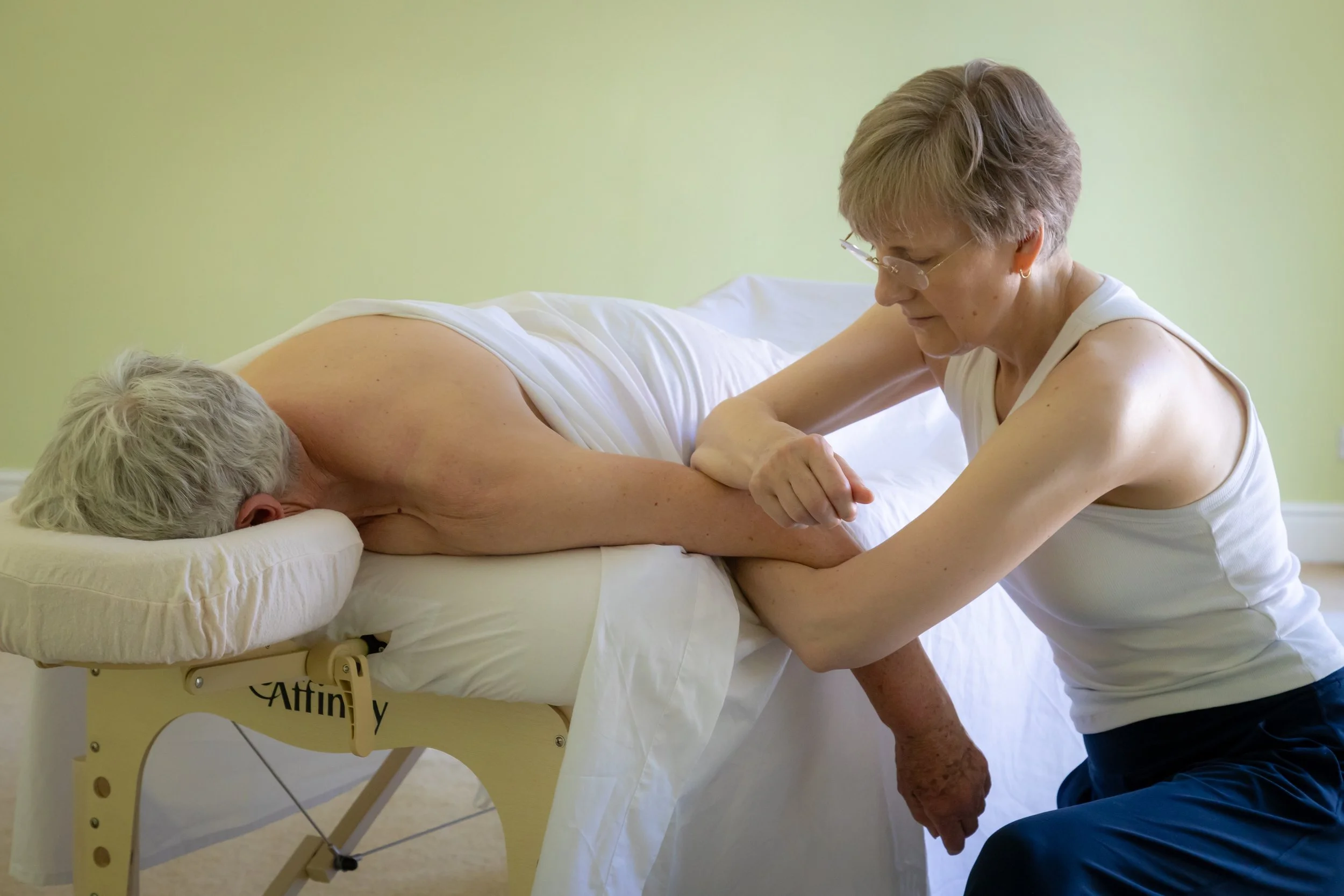
Massage is widely valued for relaxation and for the sense of wellbeing it can provide, but researchers have also investigated its potential therapeutic benefits.
Research suggests that massage may be helpful in areas including managing pain and anxiety, although the strength of the evidence varies and there is still much to learn. Individual responses to massage also differ, so it's helpful to think in terms of what massage may support rather than expecting a particular outcome.
Below, I've summarised some of the research into the potential benefits of massage therapy, with links to the evidence at the bottom of the page if you'd like to explore it further.
Massage may help with pain
Research suggests that massage therapy may help reduce pain for some people. A systematic review and meta-analysis of 67 studies found that massage was associated with improvements in pain across a range of pain conditions, although the strength of the evidence varied depending on what massage was compared with.
Pain is complex and everyone responds differently, so massage isn't a cure. It may, however, be a useful part of a broader approach to managing pain and supporting wellbeing.
Massage can promote relaxation
One of the most immediate effects many people notice from massage is a sense of deep relaxation. Research suggests that massage may also help reduce feelings of anxiety in some people, although the evidence varies between different populations and studies.
Relaxation can be valuable in its own right, particularly during periods of stress. It may also be relevant to pain: because our experience of pain is influenced by factors including stress levels, mood and sleep, feeling calmer and more at ease in the body may influence how strongly pain is experienced.
Massage may support better sleep
Some research suggests that massage may help improve sleep quality, although much of the evidence comes from studies of particular groups of people and the overall evidence is still limited.
Many people also find that the deep relaxation they experience during and after a massage helps them to unwind. While this doesn't mean that massage is a treatment for sleep problems, feeling calmer and more relaxed may help create conditions that are more conducive to restful sleep.
Massage may help with some symptoms of fibromyalgia
Some research suggests that massage may help people living with fibromyalgia. A systematic review of nine randomised controlled trials found that massage programmes lasting five weeks or longer were associated with improvements in pain, anxiety and depression immediately after treatment.
The researchers cautioned that more high-quality studies with longer follow-up are needed, so we don't yet know how long these effects may last.
Research and further reading
If you'd like to explore the research behind the information on this page, the following systematic reviews and meta-analyses provide useful further reading:
Pain: Crawford C, et al. (2016). The Impact of Massage Therapy on Function in Pain Populations—A Systematic Review and Meta-Analysis of Randomized Controlled Trials.
Relaxation and anxiety: Moyer CA, Rounds J & Hannum JW (2004). A Meta-Analysis of Massage Therapy Research.
Sleep: Fang C-S, et al. (2023). Effect of Massage Therapy on Sleep Quality in Critically Ill Patients: A Systematic Review and Meta-Analysis.
Fibromyalgia: Li Y-H, et al. (2014). Massage Therapy for Fibromyalgia: A Systematic Review and Meta-Analysis of Randomized Controlled Trials.